
Keeping your crypto on a secure wallet is one of the most important steps you can take to protect digital assets from theft, loss and unauthorised access. Whether you hold Bitcoin, stablecoins or other cryptocurrencies, the wallet you use—and how you use it—can have a direct impact on the security of your funds.
Unlike money held in a traditional bank account, cryptocurrency transactions can be difficult or impossible to reverse once completed. If someone gains access to your wallet credentials or you send assets to the wrong address, recovering the funds may not be possible.
That makes wallet security more than a technical consideration. It is a fundamental part of managing crypto responsibly.
What Is a Crypto Wallet?
A crypto wallet is a tool that allows you to manage your digital assets and interact with blockchain networks. It does not usually store coins in the same way a physical wallet stores cash. Instead, it provides access to the cryptographic keys needed to authorise transactions associated with your assets.
Wallets can take several forms, including:
- Software wallets: Applications or browser-based wallets that provide convenient access from computers or mobile devices.
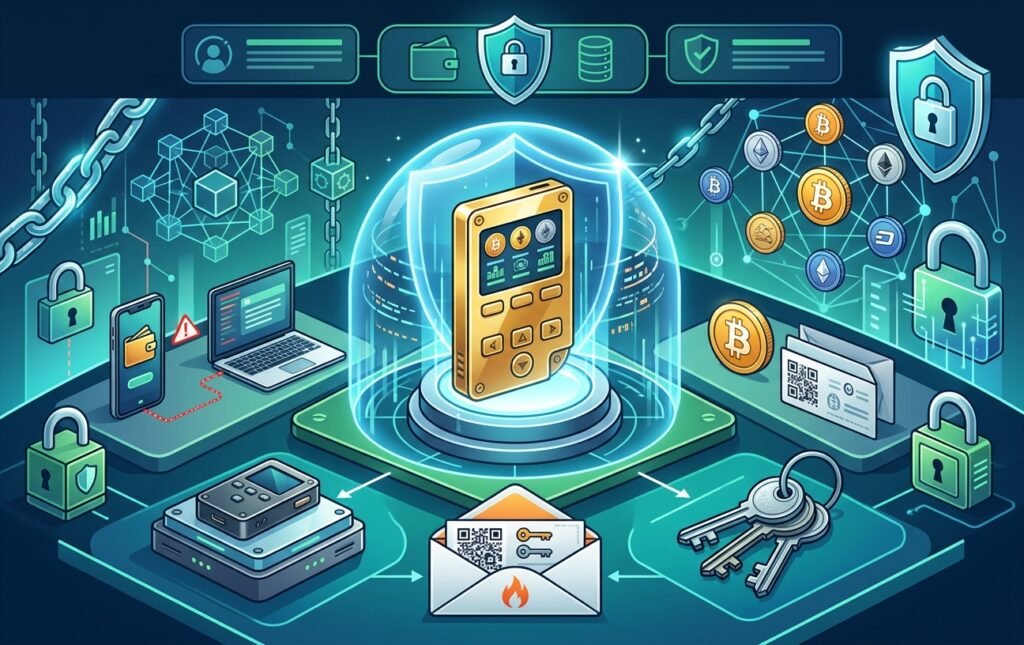
- Hardware wallets: Dedicated physical devices designed to keep private keys more isolated from internet-connected environments.
- Custodial wallets: Services where a third party manages the private keys on behalf of the user.
- Self-custody wallets: Wallets where the user is responsible for controlling and protecting their own keys or recovery credentials.
Each approach involves different trade-offs between convenience, control and responsibility.
Why Wallet Security Matters
The security of a crypto wallet matters because access to a wallet can ultimately mean access to the assets controlled by it.
A compromised password, leaked recovery phrase or malicious transaction approval can potentially result in permanent financial loss.
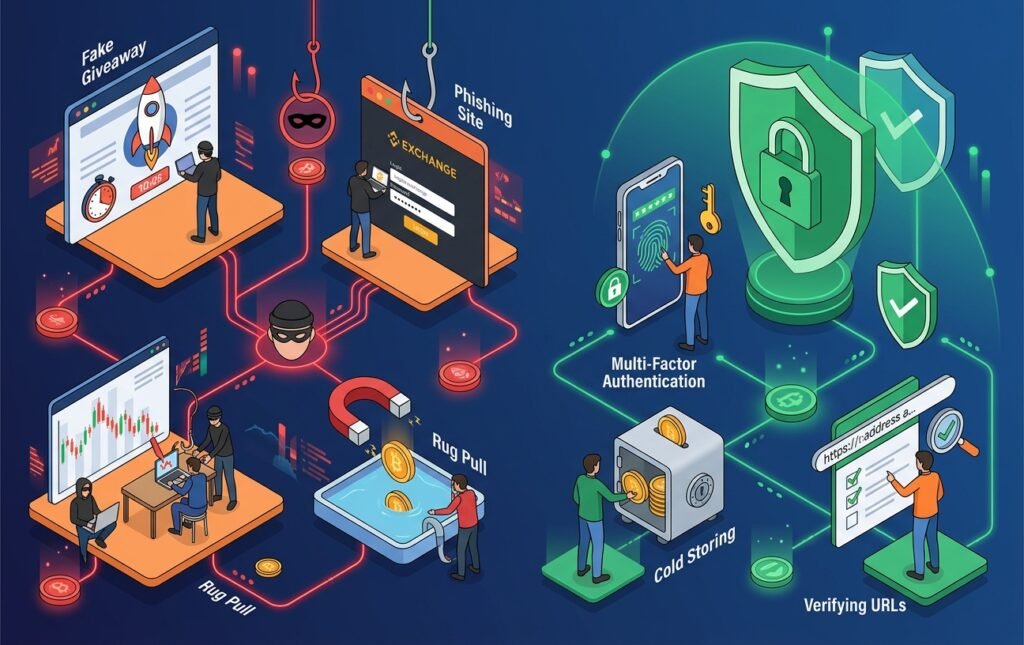
Some of the most common threats include:
Phishing attacks
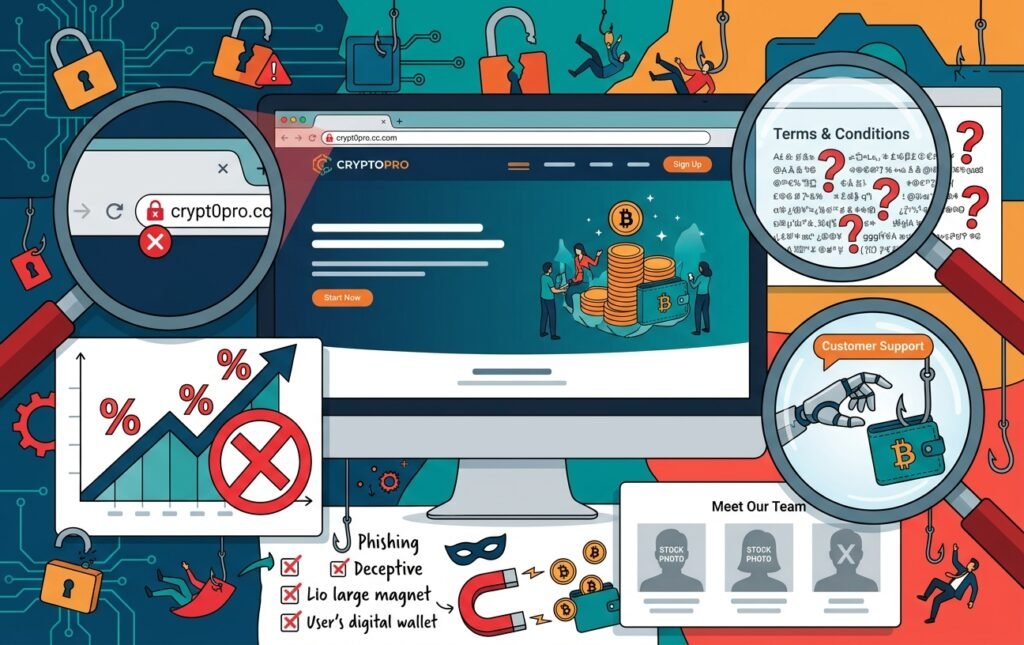
Scammers may create convincing emails, websites or messages designed to persuade users to enter wallet credentials or approve a transaction.
A message claiming that an account needs to be verified or that a wallet has a security problem should be treated cautiously, particularly when it creates pressure to act immediately.
Fake wallets and applications
Criminals can create applications or websites that imitate legitimate crypto services. A user may believe they are downloading or accessing a genuine wallet when they are actually handing sensitive information to an attacker.
Downloading wallet software from official sources and checking the publisher carefully can reduce this risk.
Social engineering
Not every attack relies on sophisticated technology. Scammers may simply try to persuade someone to reveal confidential information.
This can include impersonating customer support representatives, friends, companies or other trusted parties.
A legitimate support representative should not need your private keys or recovery phrase to access your funds.
Malicious transactions
Crypto users can sometimes be tricked into signing transactions or granting permissions they do not fully understand.
Before confirming a transaction, check what you are authorising, which asset is involved and where the funds are going.
What Makes a Crypto Wallet Secure?
Security is not determined by one feature alone.
When evaluating a secure crypto wallet, consider several factors.
Protection of private keys and recovery information
Private keys and recovery phrases are among the most sensitive pieces of information associated with a wallet.
Anyone who obtains the information needed to control a wallet may be able to move its assets. For that reason, recovery credentials should never be shared with another person or entered into an unfamiliar website.
Strong account protection
Where a wallet or service offers additional account-security measures, use them.
A strong, unique password can reduce the risk associated with reused or easily guessed credentials. Multi-factor authentication can provide another layer of protection for services that support it.
Transparent security practices
Users should be able to understand, at least at a high level, how a wallet protects accounts and transactions.
Clear security information, sensible warnings and transparent documentation can help users make better decisions.
Regular software updates
Wallet applications and connected devices should be kept up to date. Security updates may address vulnerabilities, while outdated software can expose users to avoidable risks.
Always obtain updates through legitimate channels rather than clicking unexpected links in messages.
Secure Wallet Practices for Everyday Crypto Users
Even a well-designed wallet cannot protect users from every mistake. Good security habits remain essential.
Keep recovery information private. Never send your recovery phrase through email, messaging apps or social media. Do not give it to someone claiming to be customer support.
Verify addresses before sending. Crypto addresses can be long and difficult to read. Check the destination carefully before confirming a transaction.
Watch for unusual messages. Be suspicious of urgent requests, unexpected links, investment opportunities and claims that your wallet is at risk.
Use official sources. When installing wallet software or contacting a service, navigate to the legitimate website or application rather than relying on links from unsolicited messages.
Protect your devices. A compromised phone or computer can create additional security risks. Keep operating systems and security software updated and avoid installing applications from untrusted sources.
Think before approving transactions. A transaction should not be confirmed simply because a website or application tells you to do so.
Convenience and Security Need to Be Balanced
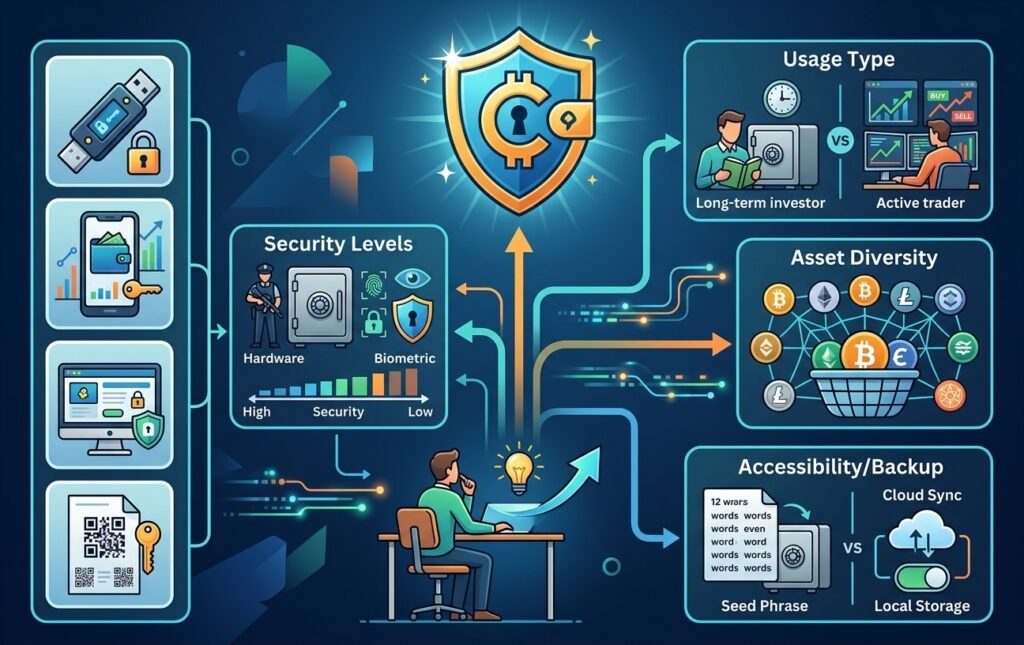
The most secure setup is not necessarily the most convenient one, and the best choice can depend on how you use crypto.
Someone who makes frequent small payments may value accessibility and ease of use. Someone holding digital assets for a longer period may place greater emphasis on key protection and reducing unnecessary exposure.
The important point is to understand the trade-offs.
Self-custody can provide greater control, but it also places more responsibility on the user. If recovery information is lost, the consequences can be serious. Custodial services may handle certain security responsibilities for users, but they introduce reliance on a third party.
There is no single wallet setup that is automatically right for everyone.
What About Keeping Crypto on an Exchange?
Some users leave their crypto on an exchange or other custodial platform because it is convenient.
In that arrangement, the service generally controls the private keys while the user accesses their assets through an account. This can make certain activities easier, but it also means users are relying on the platform’s security, operational practices and ability to provide access.
That does not make custodial services inherently unsafe, nor does self-custody automatically make someone secure.
The relevant question is whether the arrangement fits the user’s needs and whether the associated risks are understood.
Common Crypto Wallet Security Mistakes
Several avoidable mistakes can create significant problems.
Sharing a recovery phrase
A recovery phrase should be treated as confidential. Someone asking for it should immediately raise suspicion.
Clicking unexpected wallet links
A message can look convincing while leading to a fraudulent website. Instead of following an unsolicited link, access the service through a trusted route.
Sending a test transaction without checking the details
A small test payment can sometimes be useful when appropriate, but it does not replace checking the recipient address, network and transaction details.
Ignoring network differences
Sending an asset using an incompatible network can create serious complications. Before transferring crypto, make sure the sending and receiving sides support the same network and asset format.
Assuming a transaction can be reversed
Blockchain transactions are generally designed to be final once confirmed. A mistake should therefore be treated as potentially permanent rather than something that can simply be cancelled later.
How Voyallet Fits Into Secure Crypto Management
A wallet can be useful not simply because it provides somewhere to access crypto, but because the way it brings together storage, transactions and other digital-asset activities can affect the overall user experience.
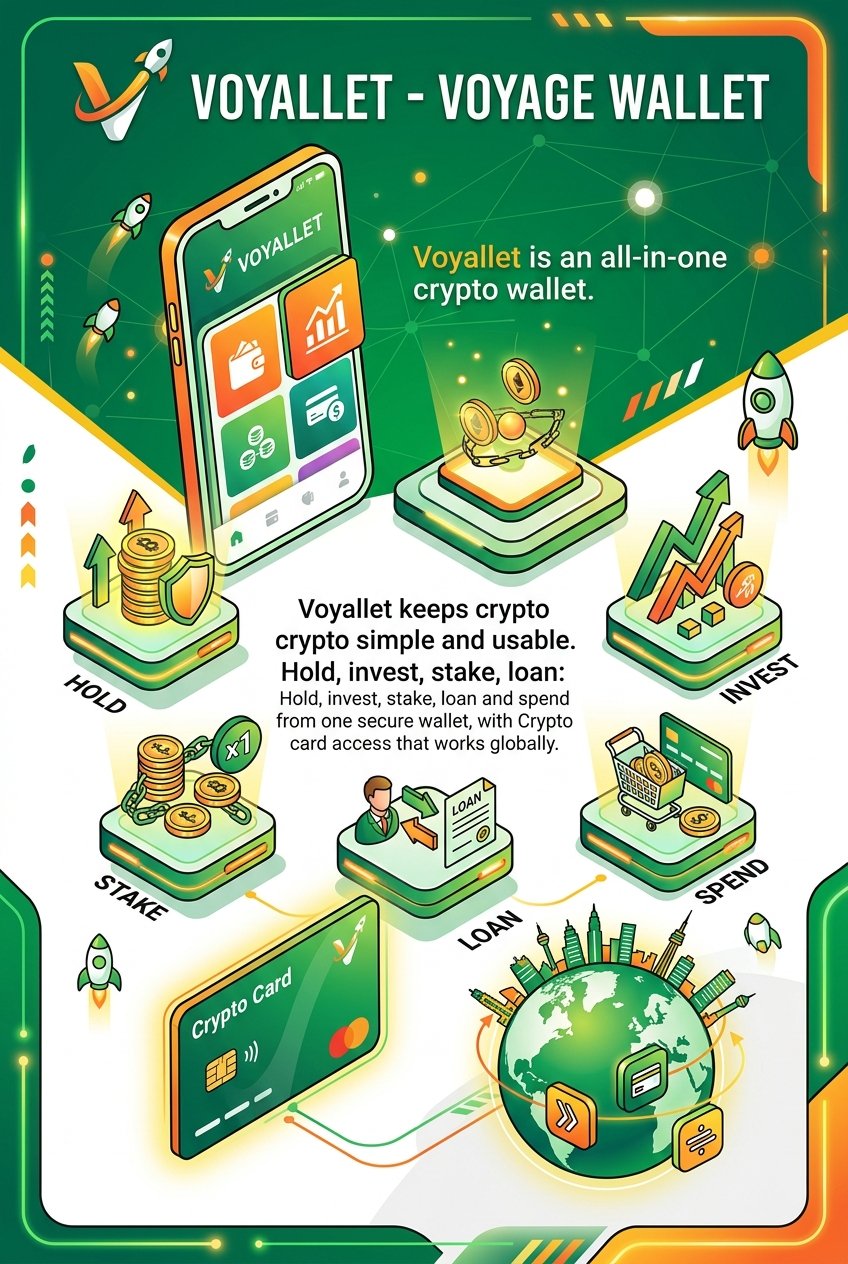
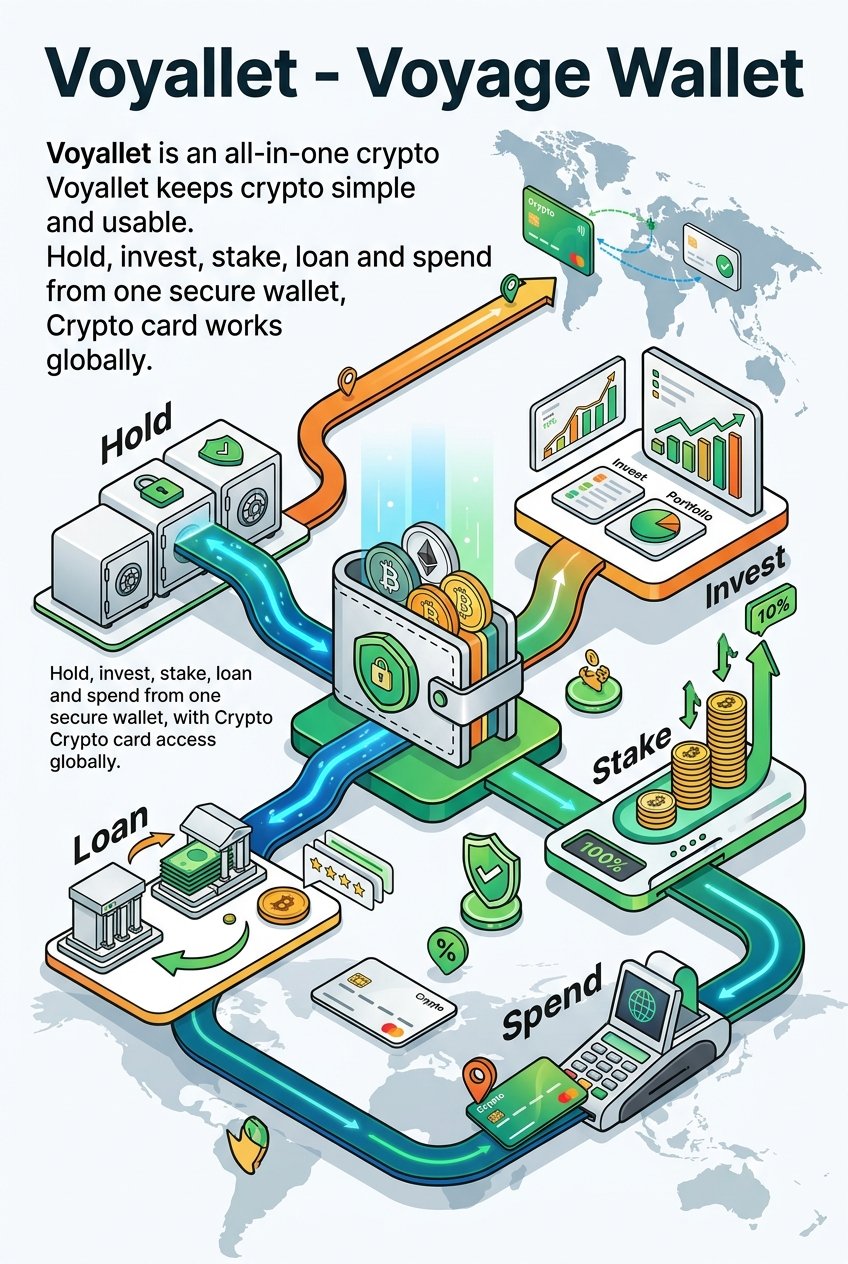
Voyallet takes an all-in-one approach to crypto management, allowing users to access functions such as holding, investing, staking and spending within a broader digital-asset environment.
For users considering a wallet, the important question is not simply whether a provider offers many features. Security practices, account controls, supported assets, transaction processes and the user’s own security habits all deserve attention.
A wallet should make responsible crypto management easier to understand—not encourage users to treat security as an afterthought.
What to Do If You Think Your Wallet Has Been Compromised
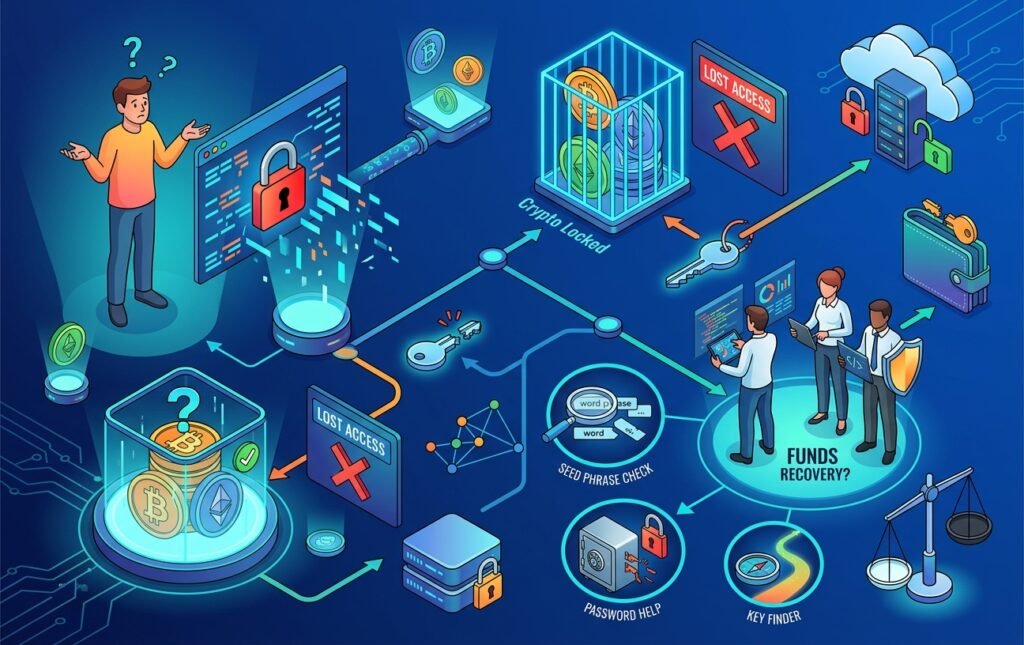
If you suspect that someone has gained unauthorised access to your wallet, act carefully and avoid responding to anyone who promises an immediate recovery.
Depending on the situation, sensible steps may include:
- Stop interacting with suspicious websites, links or messages.
- Secure any affected accounts and devices.
- Review recent transactions and account activity.
- Contact the relevant legitimate service through its official support channels if a custodial service is involved.
- If assets have already been transferred, document the transaction information and seek appropriate professional assistance where necessary.
- Be particularly cautious of people who subsequently claim they can recover the assets for an upfront payment.
Crypto users who have already lost funds are often targeted by secondary scams. No legitimate recovery service can guarantee that lost or stolen crypto will be returned.
The Bottom Line
Keeping your crypto on a secure wallet is an essential part of responsible digital-asset management. But wallet security is not just about choosing a reputable product. It also involves protecting recovery information, checking transactions, recognising scams, securing your devices and understanding the difference between custodial and self-custody arrangements.
The right wallet depends on how you use crypto, how much responsibility you are comfortable managing and which security features matter most to you.
Taking a few extra moments to verify a transaction or question an unexpected request can be far more valuable than assuming a wallet will protect you from every possible mistake.
Important Notice: This article is provided for general educational and informational purposes and should not be considered financial, legal, security or investment advice. Cryptocurrency transactions and digital assets involve risks, and information should be independently verified before taking action. Voyallet does not guarantee the recovery of lost or stolen assets and is not responsible for losses resulting from actions taken based on this information.