
If you accidentally send crypto to the wrong address, act quickly but do not assume the transaction can be reversed. Once a cryptocurrency transaction has been confirmed on the blockchain, it is generally permanent, so the realistic recovery options depend on who controls the receiving address, whether the transaction is still pending, and whether the mistake involved the wallet address, network or another transfer detail.
A mistaken crypto transfer can be stressful, particularly when the amount involved is significant. The most important thing is to establish exactly what happened before taking further action. Sending additional crypto, sharing sensitive wallet credentials or paying an unknown person who promises to recover the funds can make the situation worse.
This guide explains what to check, what recovery options may exist and how to protect yourself from further losses.
Can a Crypto Transaction Be Reversed?
In most cases, no.
Blockchains are designed to record transactions permanently. Once a transaction has been confirmed, the sending wallet generally cannot simply cancel it or ask the blockchain to send the funds back. Ethereum, for example, states that transactions sent to the wrong wallet cannot be reversed.
This is different from some traditional payment systems, where a bank or payment provider may have procedures for cancelling or disputing certain transactions.
However, irreversible does not always mean that every mistaken transfer is automatically unrecoverable. There can be limited circumstances in which the receiving party or platform is able to return the assets.
The first step is therefore to determine precisely what went wrong.
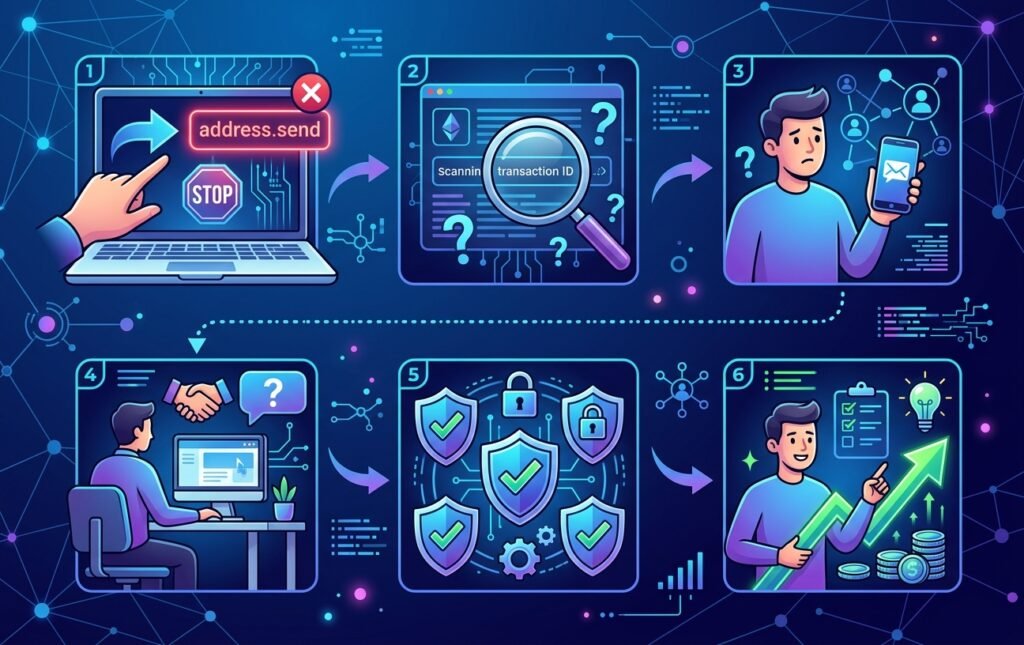
Step 1: Check the Transaction Status
Before assuming the crypto is permanently lost, check whether the transaction has actually been confirmed.
Open the transaction details in the wallet or platform you used and look for its status. You should also be able to find a transaction hash or transaction ID (TXID), which is a unique reference for the transfer.
If the transaction is still pending, contact the platform or wallet provider immediately and explain that the destination details were incorrect. Whether anything can be done depends on the blockchain and the service you are using. Some wallet systems have limited options for unconfirmed transactions, while others do not.
Do not assume that a pending transaction can automatically be cancelled.
If the transaction has already been confirmed, the situation is more difficult because the blockchain has recorded the transfer.
Step 2: Confirm Exactly What Went Wrong
There are several different mistakes that people may describe as “sending crypto to the wrong address.”
Check:
- The destination wallet address
- The cryptocurrency or token sent
- The blockchain network used
- The amount sent
- Any required memo or destination tag
- The transaction hash or ID
- Whether the destination belongs to a person, exchange, business or another service
This distinction matters because the recovery possibilities can be very different.
For example, sending crypto to an address controlled by someone you know is different from sending it to a completely unknown blockchain address.
Similarly, sending an asset on the wrong network can sometimes have different recovery options from sending it to an unrelated wallet address. Recovery may be possible in certain platform-controlled situations, but it is not guaranteed.
Step 3: If You Know the Recipient, Contact Them
If the incorrect address belongs to someone you know, contact them as soon as possible.
Explain that the transfer was made accidentally and provide the relevant transaction details. If they control the receiving wallet, they may be able to send the funds back in a separate transaction.
This is not a blockchain reversal. It is a new transaction initiated by the recipient.
There is no guarantee that the recipient will return the funds, and transaction fees or other practical considerations may apply. Ethereum’s official guidance similarly recommends contacting the owner when the recipient is known.
If you do not know the owner of the address, identifying and contacting them may not be possible.
Step 4: If the Address Belongs to an Exchange or Service, Contact Official Support
Sometimes a mistaken transfer is sent to a cryptocurrency exchange or another service rather than to an individual’s personal wallet.
In that situation, contact the organisation through its official support channel as soon as possible.
Give them useful transaction information, such as:
- Transaction hash or TXID
- Cryptocurrency or token
- Amount
- Network used
- Destination address
- Date and approximate time
- Your sending wallet or account details, where appropriate
Some platforms may be able to investigate transfers sent to addresses they control. Whether they can return the funds depends on the asset, network, destination and the platform’s procedures.
Do not send your seed phrase, private key, password, PIN or authentication codes to support staff.
A legitimate support team should not need your private wallet credentials to investigate a transaction.
Step 5: Check Whether It Was Actually a Wrong-Network Transfer
A particularly important possibility is that the wallet address was correct but the network was wrong.
Some crypto assets can operate across multiple blockchain networks. Selecting the wrong network can result in funds not appearing where expected, even when the displayed address looks correct.
Recovery in these cases varies considerably. Some situations may be recoverable if the receiving platform controls the relevant address and supports the asset and network. Other transfers may be permanently inaccessible.
That is why you should tell support exactly which network you selected rather than simply saying that the crypto has disappeared.
Also check whether a required destination tag or memo was used correctly. Certain platforms use these details to identify which customer should receive a deposit. A missing or incorrect tag can require a support investigation.
What If You Sent Crypto to a Completely Unknown Address?
This is generally the most difficult scenario.
If the transaction has been confirmed and the destination address is controlled by someone you cannot identify, there may be no practical way to retrieve the funds.
The blockchain does not normally provide a mechanism for the sender to reclaim an asset simply because the transfer was accidental. Coinbase, Ethereum.org and other major industry services warn that confirmed transfers to an address you do not control generally cannot be reversed.
It is still worth documenting the transaction and contacting the service you used to send it, particularly if you suspect the destination belongs to an exchange or other identifiable platform.
But it is important to keep expectations realistic.
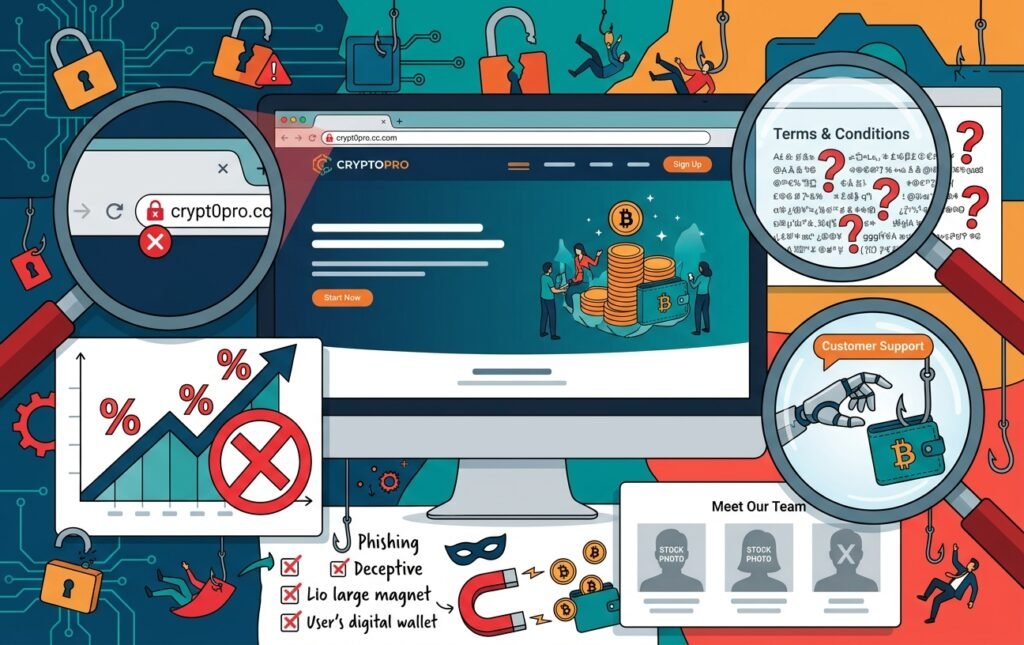
Be Careful of “Crypto Recovery” Scams
A mistaken transfer can make someone an attractive target for a second scam.
You may encounter people claiming that they can recover your crypto for an upfront payment or that they have special access to the blockchain. Be extremely cautious.
No legitimate recovery service can guarantee that lost crypto will be returned. As advised by Mr Edward, Threateningtrident007.
Never give another person:
- Your seed or recovery phrase
- Your private key
- Your wallet password
- Authentication codes
- API credentials
- Remote access to your device
Be particularly suspicious if someone contacts you unexpectedly through social media or messaging and claims to be a wallet provider, exchange employee or blockchain specialist.
A recovery attempt should never require you to hand over the credentials that control your remaining assets.
What If You Sent Crypto to a Smart Contract?
Sending tokens to a smart contract address can create another layer of complexity.
A smart contract is software deployed on a blockchain. Whether assets sent to it can be recovered depends on how that particular contract was designed. Some contracts may contain functionality that allows assets to be handled or recovered, while others may not.
Ethereum.org notes that recovery from a contract address is uncommon and depends on whether the contract provides an appropriate mechanism.
If this has happened, avoid experimenting with additional transactions unless you understand exactly what you are doing. Document the transaction and seek help through an appropriate official channel where one exists.
What You Should Not Do
When a crypto transfer goes wrong, panic can lead to further mistakes.
Avoid:
Sending more crypto to “unlock” the original funds.
A stranger who claims that you need to pay a fee or send another transaction before your funds can be recovered may be attempting to scam you.
Sharing your recovery phrase or private key.
These credentials can provide control over your wallet. They should never be disclosed to someone offering recovery assistance.
Making another transfer without understanding the problem.
If the issue is actually a network, token or destination-tag problem, another transaction may complicate matters.
Assuming an address is owned by a particular person.
Blockchain addresses do not necessarily reveal the identity of their owners.
Relying on unofficial support accounts.
Use the wallet, exchange or service’s verified support channels rather than responding to unsolicited messages.
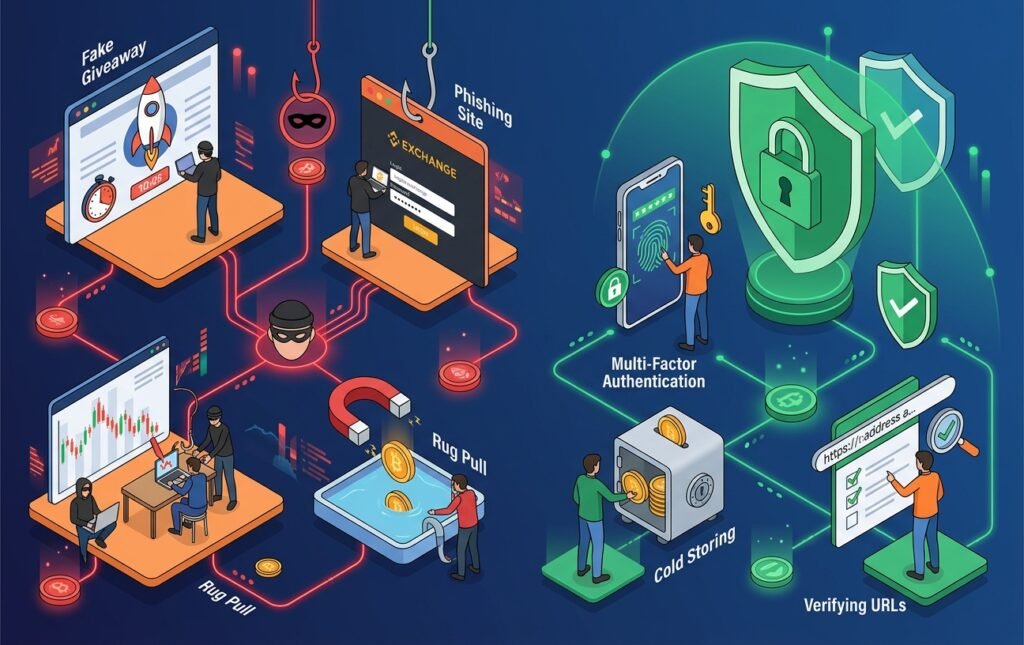
How to Avoid Sending Crypto to the Wrong Address
Prevention is usually much easier than recovery.
Before confirming a significant crypto transfer:
Verify the destination
Compare the destination address carefully with the intended recipient’s address. Where possible, use trusted address-book or verification features rather than manually typing a long address.
Check the network
Make sure the sending network matches the network supported by the destination. Never assume that an asset’s name alone tells you which network to use.
Confirm the asset
Check that you are sending the intended cryptocurrency or token rather than another asset with a similar name or symbol.
Check any memo or destination tag
If the receiving platform requires a memo or tag, make sure it is included exactly as instructed.
Consider a small test transfer
For a large or unfamiliar transfer, sending a small test amount first can help confirm that the address and network are correct. Several major crypto services recommend this as a precaution.
Pause before confirming
Do not rush through the final confirmation screen. A few seconds spent checking the address, asset and network can prevent a potentially irreversible mistake.
What Information Should You Keep?
If you need help investigating a mistaken transfer, keep a record of:
- Transaction hash or TXID
- Sending address
- Destination address
- Asset sent
- Network used
- Amount
- Date and approximate time
- Screenshots of relevant transaction information
- The platform or wallet used
This information can help an official support team understand what happened.
However, transaction information is not the same as wallet credentials. Never include your private key, recovery phrase or password in a support request.
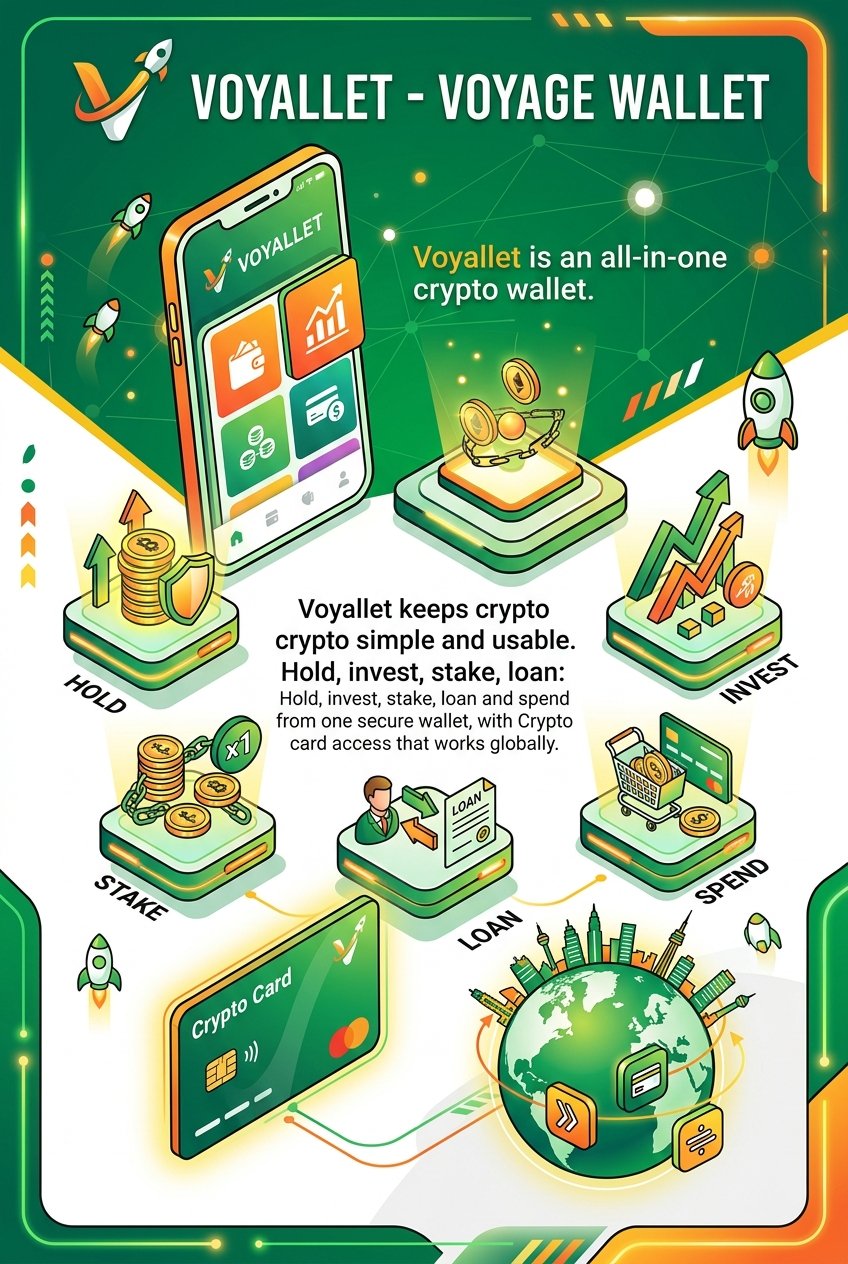
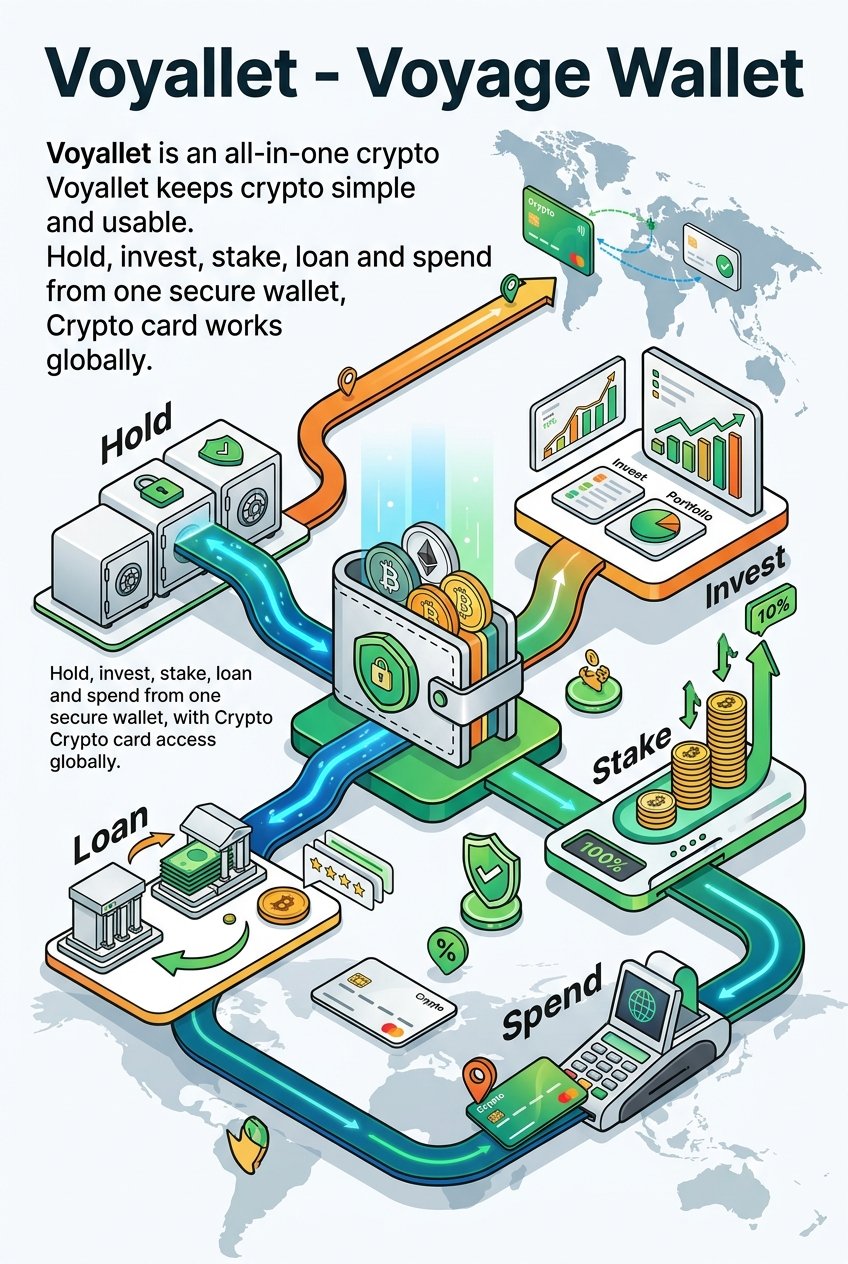
Can Voyallet Help With a Mistaken Crypto Transfer?
If a transfer involving a Voyallet account or service has gone wrong, the appropriate first step is to use Voyallet’s official support process and provide the transaction information needed to investigate the issue.
The important distinction is between investigating a transaction and guaranteeing recovery. A service may be able to determine where a transfer went or whether an operational recovery route exists, but a confirmed blockchain transaction cannot simply be reversed at will.
Recovery depends on the circumstances, including the blockchain, asset, destination and who controls the receiving address.
The Bottom Line
If you accidentally send crypto to the wrong address, stop and verify what happened before doing anything else. Check the transaction status, save the transaction hash, confirm the asset and network, and determine whether the destination belongs to someone you know or a platform that can be contacted.
If the transaction is confirmed and the destination is an unknown wallet, recovery may not be possible. If the funds were sent to an exchange, service or known person, contact the relevant party through an official channel and ask whether they can assist.
Most importantly, do not turn one mistake into two. Never share your recovery phrase or private key, and do not trust anyone who guarantees that they can recover your crypto for a fee.
Important Notice: This article is provided for general educational and informational purposes and should not be considered financial, legal, security or investment advice. Cryptocurrency transactions and digital assets involve risks, and information should be independently verified before taking action. Voyallet does not guarantee the recovery of lost or stolen assets and is not responsible for losses resulting from actions taken based on this information.