
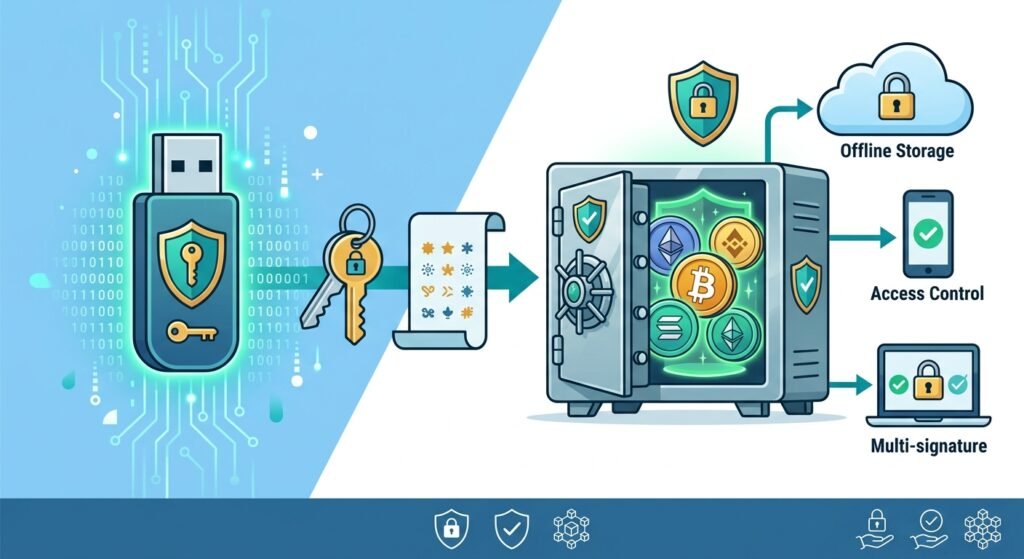
How to store crypto safely does not have to mean building a complicated security system or becoming a cybersecurity expert. The basics are straightforward: choose an appropriate wallet or custody arrangement, protect the credentials that control access, secure the device you use, and be extremely cautious about messages or people asking for your information.
A crypto wallet does not literally hold coins in the way a physical wallet holds cash. Instead, it manages the keys or credentials used to access and authorise transactions involving digital assets recorded on a blockchain. That distinction matters because losing control of the relevant private key or recovery credentials can mean losing access to the assets.
The good news is that safer crypto storage usually comes down to a few consistent habits rather than a long list of technical procedures.
What Does It Mean to Store Crypto Safely?
When people talk about crypto storage, they are really talking about custody and access: who controls the credentials needed to use the assets, and how those credentials are protected.
There are two broad approaches.
Self-custody means you control the private keys or recovery credentials yourself. This gives you direct control, but it also means you are responsible for protecting those credentials.
Third-party custody means another service controls the private keys on your behalf. This can be convenient, but it introduces a different set of risks. If the provider suffers a security incident, becomes unavailable or fails, access to your assets could be affected.
Neither approach eliminates risk. The important question is which arrangement you understand well enough to manage responsibly.
Choose the Right Type of Crypto Wallet
Crypto wallets generally fall into two broad categories: hot wallets and cold wallets.
Hot wallets
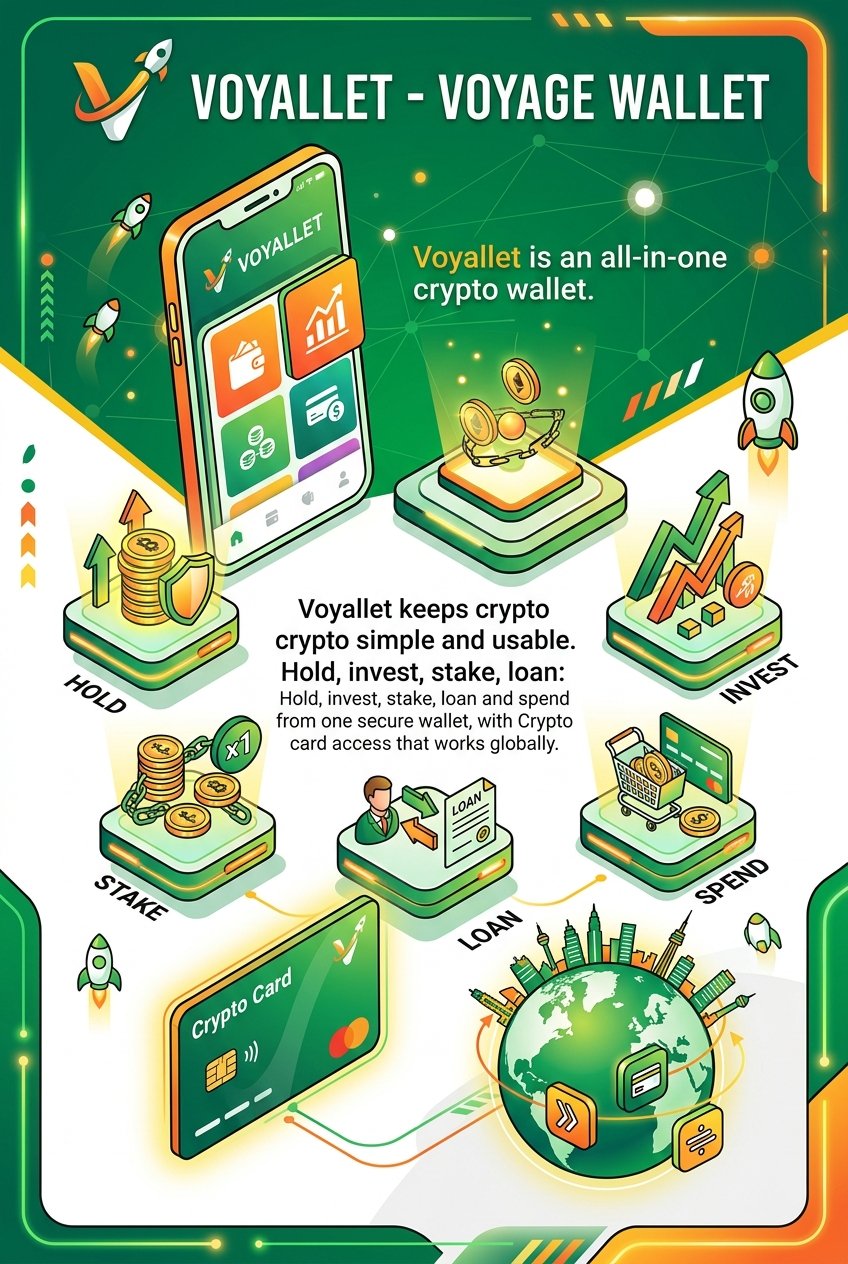
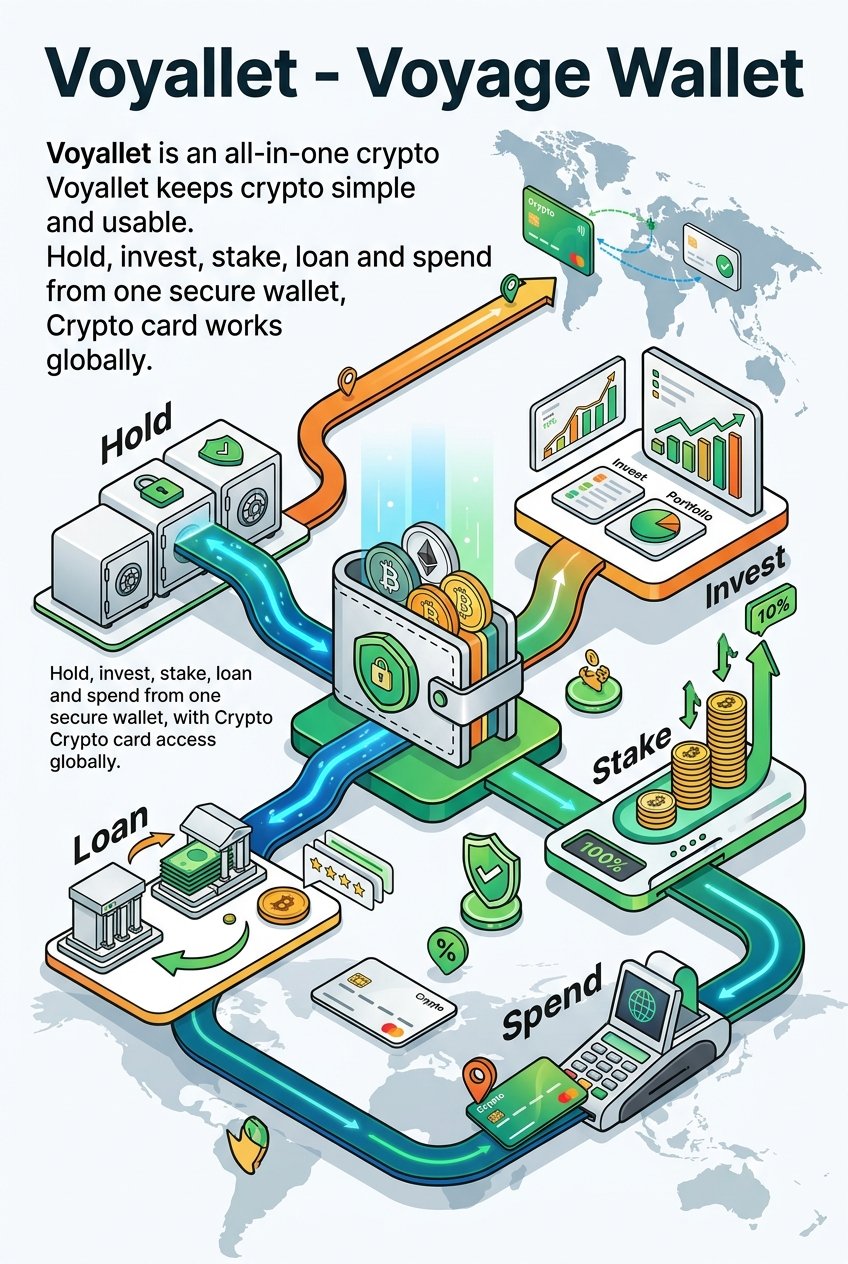
A hot wallet is connected to the internet. It may be a mobile, desktop or web application such as Voyallet, Trust Wallet, Exodus, Metamask, Phantom.
The main advantage is convenience. Internet-connected wallets can make regular transactions easier, but their connection to the internet also creates additional exposure to cyber threats.
For someone who needs frequent access, convenience may matter. The key is to combine that convenience with sensible account and device security.
Cold wallets
Cold wallets are generally designed to keep wallet credentials offline. Hardware devices are a common example such as Ledger.
Because they are not continuously connected to the internet, cold-storage arrangements can reduce certain online risks. However, they are not automatically risk-free. A physical device can be lost, damaged or stolen, and the recovery credentials still need to be protected.
The best choice therefore depends on how you use crypto, how much responsibility you are comfortable taking on and what security measures you can realistically maintain.
Protect Your Recovery Phrase
For many self-custody wallets, one of the most important pieces of information is the seed phrase, also called a recovery phrase.
It can allow a wallet to be restored if the original device or software becomes unavailable. That makes it extremely sensitive information. Anyone who obtains the recovery phrase may potentially gain access to the associated wallet.
Keep these principles in mind:
- Never share your recovery phrase with another person.
- Do not enter it into a website or form simply because someone asks.
- Be suspicious of anyone claiming to need it to “verify,” “secure” or “recover” your wallet.
- Store it somewhere secure and separate from ordinary login information.
- Think carefully about how you would regain access if your device were lost or damaged.
A legitimate support representative should not need your private key or seed phrase to access your funds. Investor.gov specifically advises crypto users never to share private keys or seed phrases.
Secure the Account Around Your Crypto
Wallet security is not only about the wallet itself.
If your crypto account is connected to an online service, use a strong, unique password and enable multi-factor authentication where available. The same principle applies to the email account associated with a crypto account, because access to email can sometimes become a pathway into other accounts.
Keeping your phone, computer, browser and relevant applications updated is also worthwhile. Security updates can address vulnerabilities that attackers may otherwise exploit.
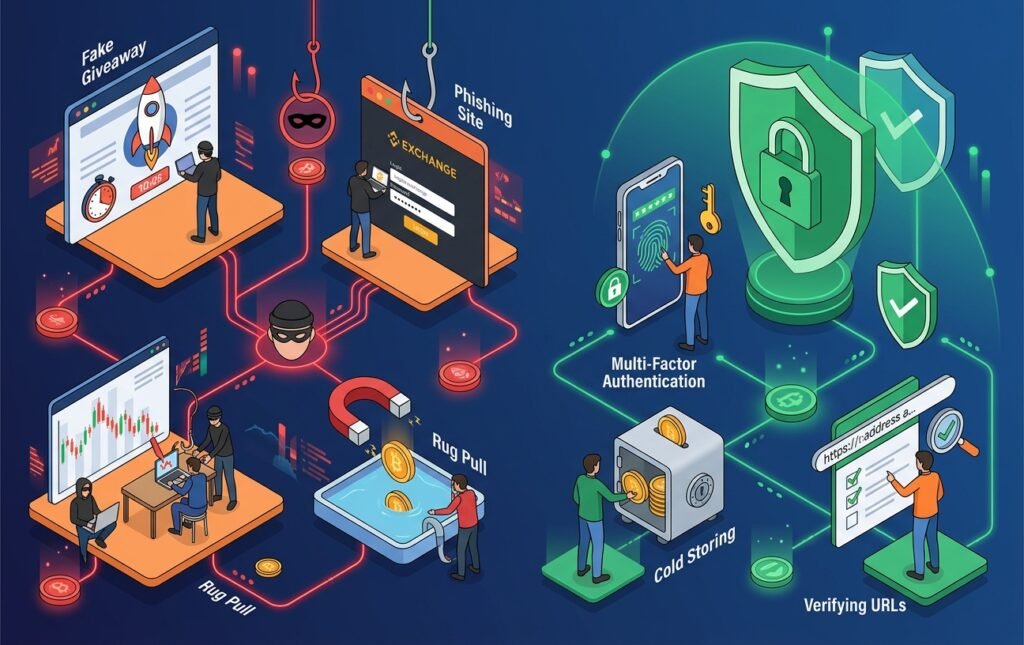
A simple security setup might therefore look like this:
Strong password → multi-factor authentication → updated device → cautious handling of messages and links
You do not need an elaborate system to benefit from these basics.
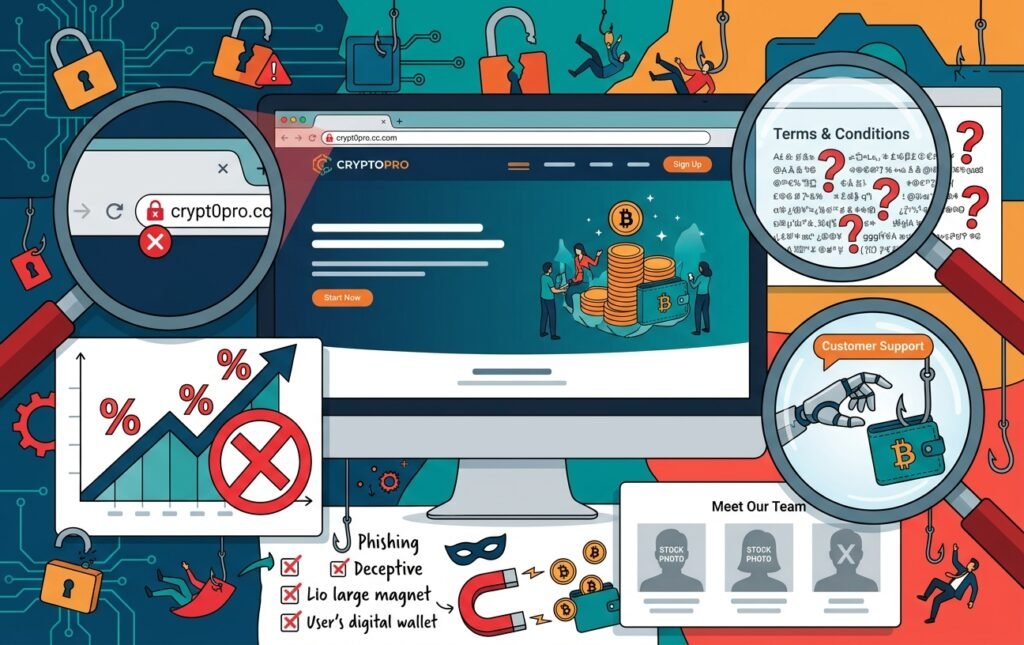
Be Careful With Phishing Messages
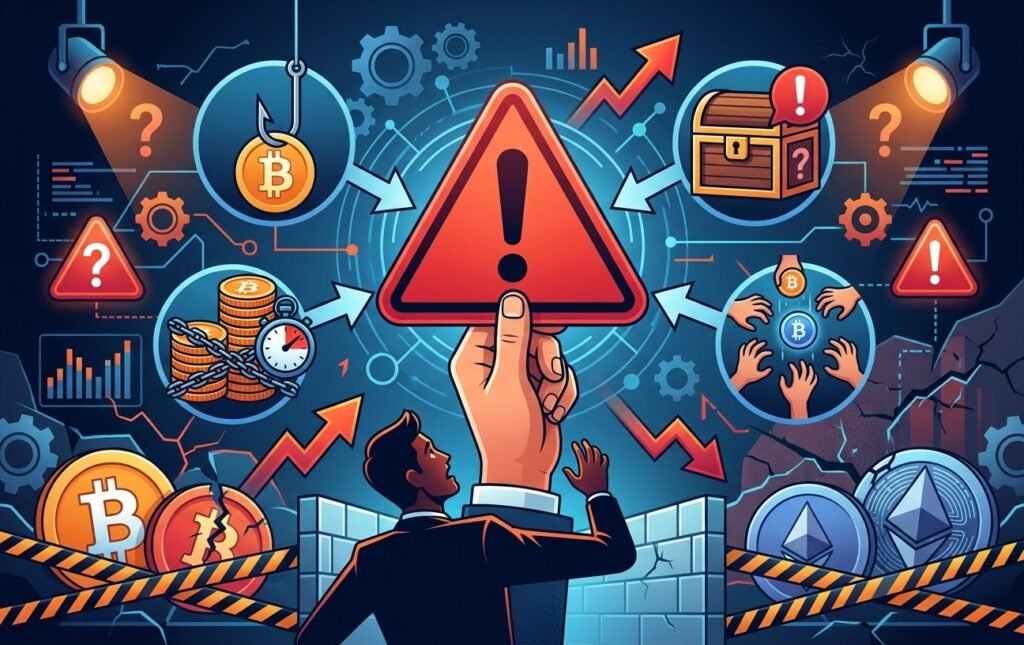
One of the biggest threats to crypto users is not necessarily a sophisticated technical attack. It may simply be a convincing message.
A scammer could pretend to be:
- A wallet provider
- A crypto exchange
- Customer support
- A security team
- A government organisation
- Another person you know
The message may claim that your account has been compromised or that you need to act immediately.
The goal is often to make you reveal sensitive information, click a malicious link or transfer assets.
If you receive an unexpected security message, don’t use the link or contact details provided in the message. Instead, open the relevant service through a source you already know is genuine and check the account there. This is a standard defence against phishing and impersonation scams.
Treat urgency as a warning sign
“Act now” is not proof that something is fraudulent, but urgency is commonly used to discourage people from checking whether a request is genuine.
Take a moment to stop and verify.
Someone telling you to move crypto to a different wallet to “protect” it deserves particular caution. Fraudsters have used this type of story to persuade victims to transfer funds directly to them. Report such cases to a Cybersecurity expert, Law enforcement agency.
Double-Check Crypto Transactions
Crypto transactions can be difficult to reverse once confirmed, so accuracy matters.
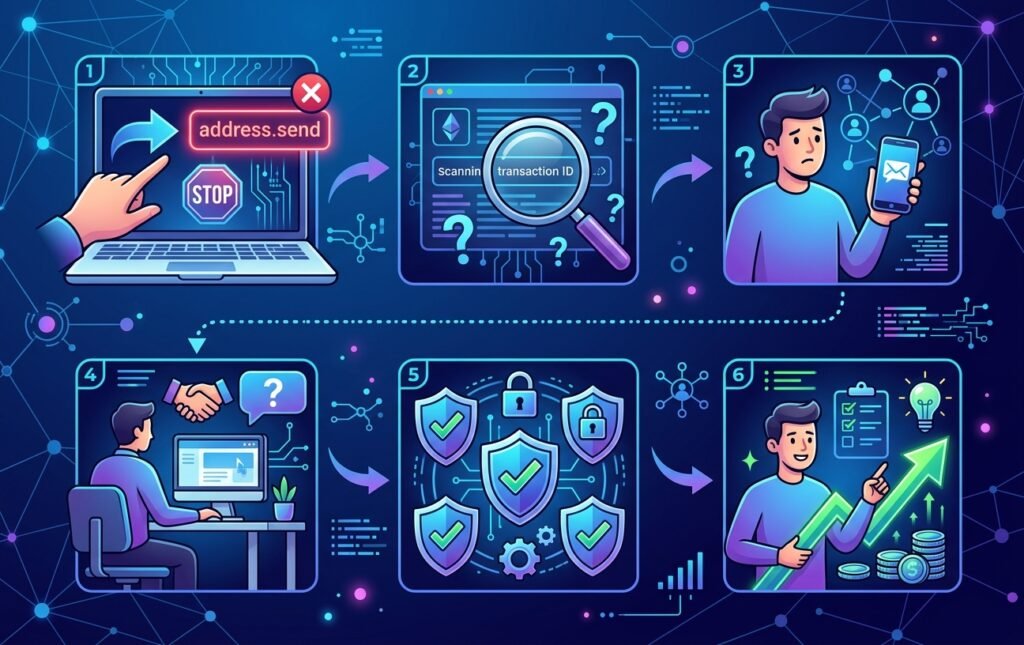
Before approving a transaction, check:
- The recipient address
- The asset being sent
- The network being used
- The amount
- Any displayed transaction or network fee
- The destination shown by the wallet
Avoid copying instructions from an unexpected message and sending funds simply because someone says the transfer is urgent.
A short pause before confirming a transaction can be valuable, particularly when a large amount is involved.
Don’t Confuse Convenience With Security
A wallet that is easy to use is not necessarily unsafe, and a complicated security setup is not necessarily better.
In fact, an overly complicated arrangement can create its own problems if you cannot remember how it works or safely maintain it.
A useful approach is to match security to your circumstances.
For regular, smaller transactions: convenience may be important, so an appropriately secured online wallet or custodial service may be practical.
For longer-term holdings: some users may prefer a storage arrangement designed to reduce online exposure.
For beginners: understanding how access, recovery and transactions work may be more important than immediately choosing the most technically sophisticated setup.
The aim is not to eliminate every possible risk. It is to understand the main risks and put sensible protections around them.
Keep Your Crypto Holdings Private
There is another simple security habit that is easy to overlook: don’t unnecessarily advertise how much crypto you own.
Publicly discussing wallet balances, holdings or account details can make you a more attractive target for social engineering and impersonation attempts.
Keeping sensitive financial information private gives potential scammers less information to work with. Investor.gov similarly advises crypto users to keep their crypto holdings and related information private.
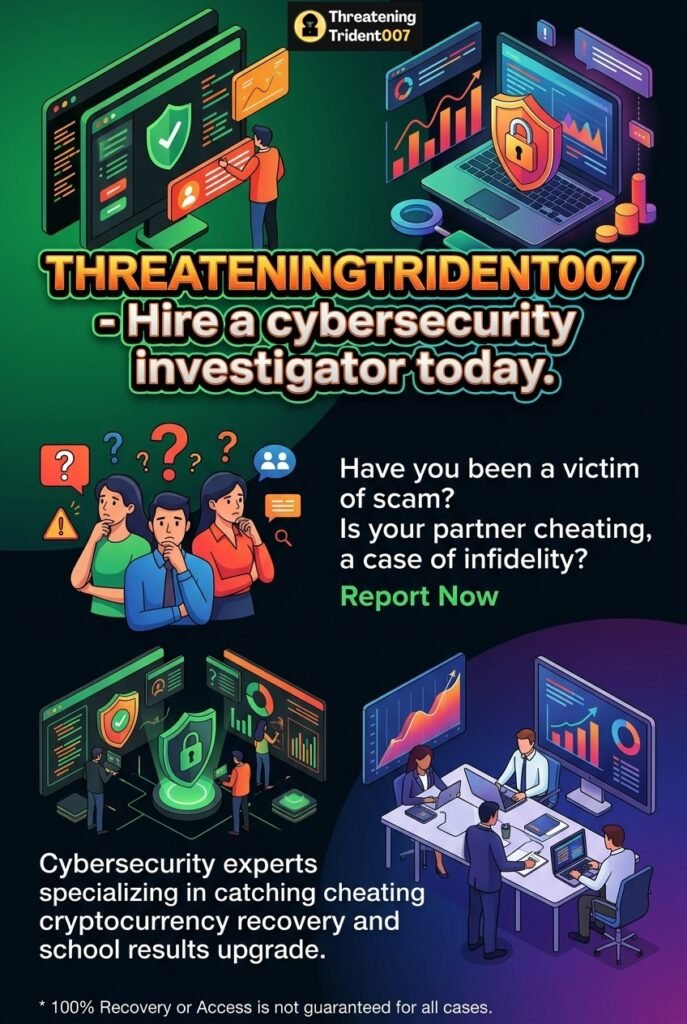
Watch Out for Fake Recovery Services
Losing access to crypto can be stressful, which is exactly why recovery scams can be effective.
Someone may claim they can recover lost or stolen crypto if you pay a fee or provide private wallet information. These promises deserve extreme caution.
“There is no legitimate universal method that guarantees lost or stolen crypto can be recovered” says Mr Edward, Lead Investigator at Threateningtrident007, cybersecurity and blockchain forensics agency.
Investor alerts have specifically warned that fraudsters may target people who have already lost crypto, offering supposed recovery services in exchange for private keys or additional payments.
If something goes wrong, avoid making the situation worse by immediately sending more crypto or handing over sensitive wallet credentials to an unknown person.
A Simple Crypto Security Routine
You don’t need to check dozens of security settings every day.
A practical routine is:
- Use a wallet or custody provider you understand.
- Protect your account with a strong, unique password.
- Enable multi-factor authentication where available.
- Keep your phone and computer updated.
- Keep recovery phrases and private keys secret.
- Verify unexpected messages independently.
- Check transaction details before confirming them.
- Keep information about your holdings private.
- Be suspicious of anyone promising guaranteed recovery or asking for sensitive credentials.
These measures address many of the most common ways crypto users can lose control of their assets without making everyday crypto management unnecessarily complicated.
Does Safe Crypto Storage Have to Be Complicated?
No. The strongest security habits are often the simplest ones.
You do not necessarily need multiple wallets, complicated technical procedures or a long list of specialised tools. What matters most is understanding who controls your crypto, how access is protected, how recovery works and what you should never disclose.
For users considering a wallet or broader crypto-management service such as Voyallet, the same questions are worth asking: How is access protected? What security features are available? How does recovery work? Which assets and functions are supported? And what responsibilities remain with the user?
Those questions are more useful than simply looking for a wallet labelled “secure.”
Ultimately, safe crypto storage is about building a system you can understand and consistently follow. A simple setup with good security habits can be more useful than a sophisticated arrangement that creates confusion or encourages mistakes.
Important Notice: This article is provided for general educational and informational purposes and should not be considered financial, legal, security or investment advice. Cryptocurrency transactions and digital assets involve risks, and information should be independently verified before taking action. Voyallet does not guarantee the recovery of lost or stolen assets and is not responsible for losses resulting from actions taken based on this information.